
Dry Ice Blasting Systems for Faster, Cleaner Work
Remove heavy contamination without water, harsh cleaning chemicals or secondary blasting media.
Non-abrasive
Dry process
No secondary blasting media
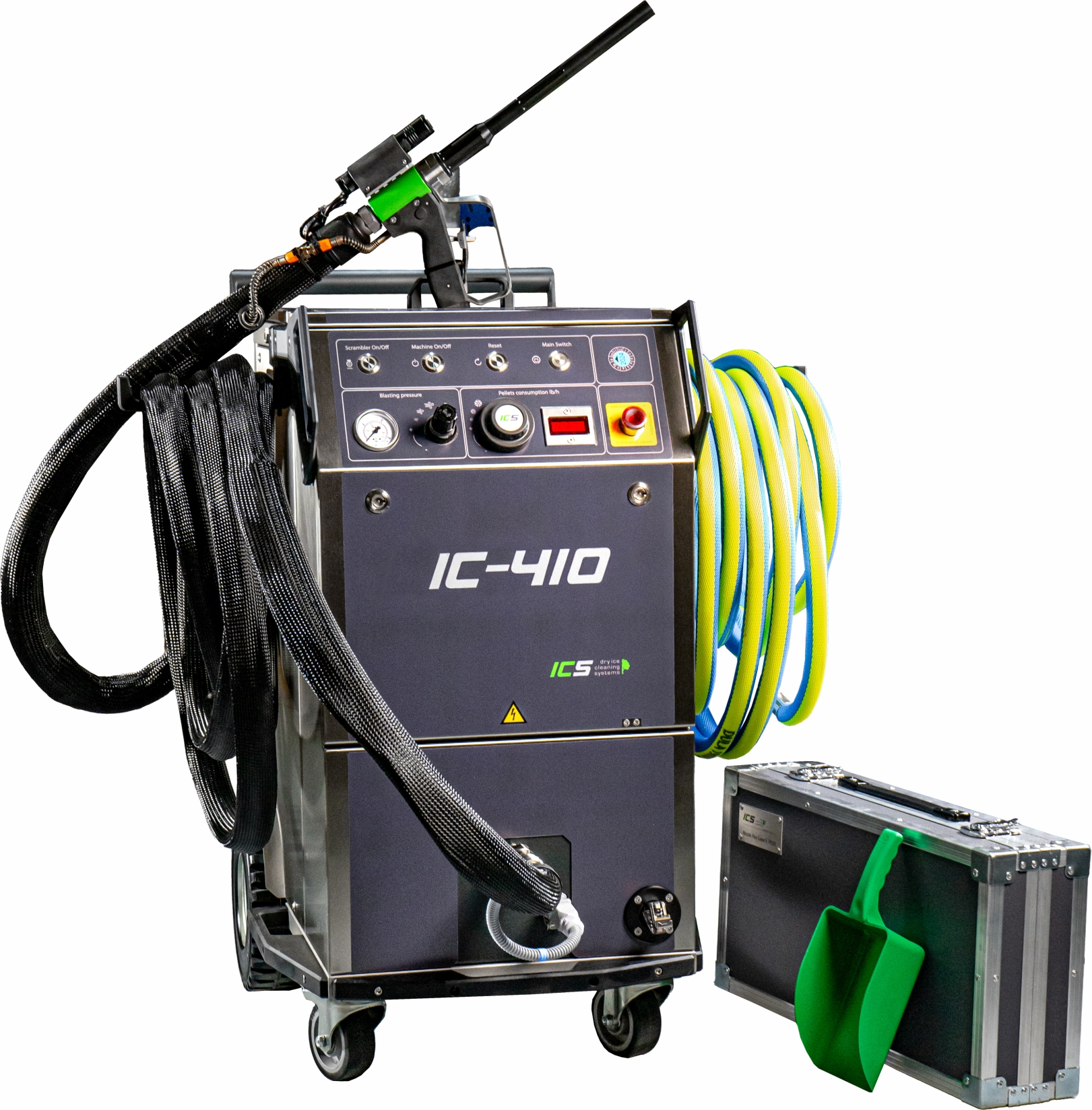
What Is Dry Ice Blasting?
Dry Ice Blasting is a non-abrasive cleaning process that uses solid CO2 pellets accelerated by compressed air.
When the pellets contact the surface, contamination is released through a combination of kinetic impact and thermal shock.
The dry ice then sublimates, turning directly from a solid into a gas. This means there is no spent blasting media left behind—only the removed contamination to collect.
The result is a dry, controlled process suitable for sensitive components, industrial equipment and many in-situ cleaning applications.
Kinetic Impact
Accelerated pellets strike the contamination and begin breaking its bond with the surface.
Thermal Shock
The temperature difference helps contaminants release from the underlying material.
Sublimation
The dry ice converts directly into gas, leaving no secondary blasting media to clean up.

Why We Partner With ICS
Trusted European Engineering. Proven Industrial Performance.
ICS is a European manufacturer of industrial dry ice cleaning equipment with over 25 years of experience developing innovative cleaning solutions for industry.
Its systems are used worldwide across manufacturing, restoration, automotive, food production and industrial maintenance applications.
As an ICS partner, Titus Equipment works closely with customers to identify the right system and provide support throughout the purchasing and onboarding process.
Discuss your applicationExplore the ICS Dry Ice Blaster Range
From compact systems for occasional restoration work to highly adaptable industrial machines, there is an ICS system for every level of operator. Compressor requirements increase with cleaning power and throughput.
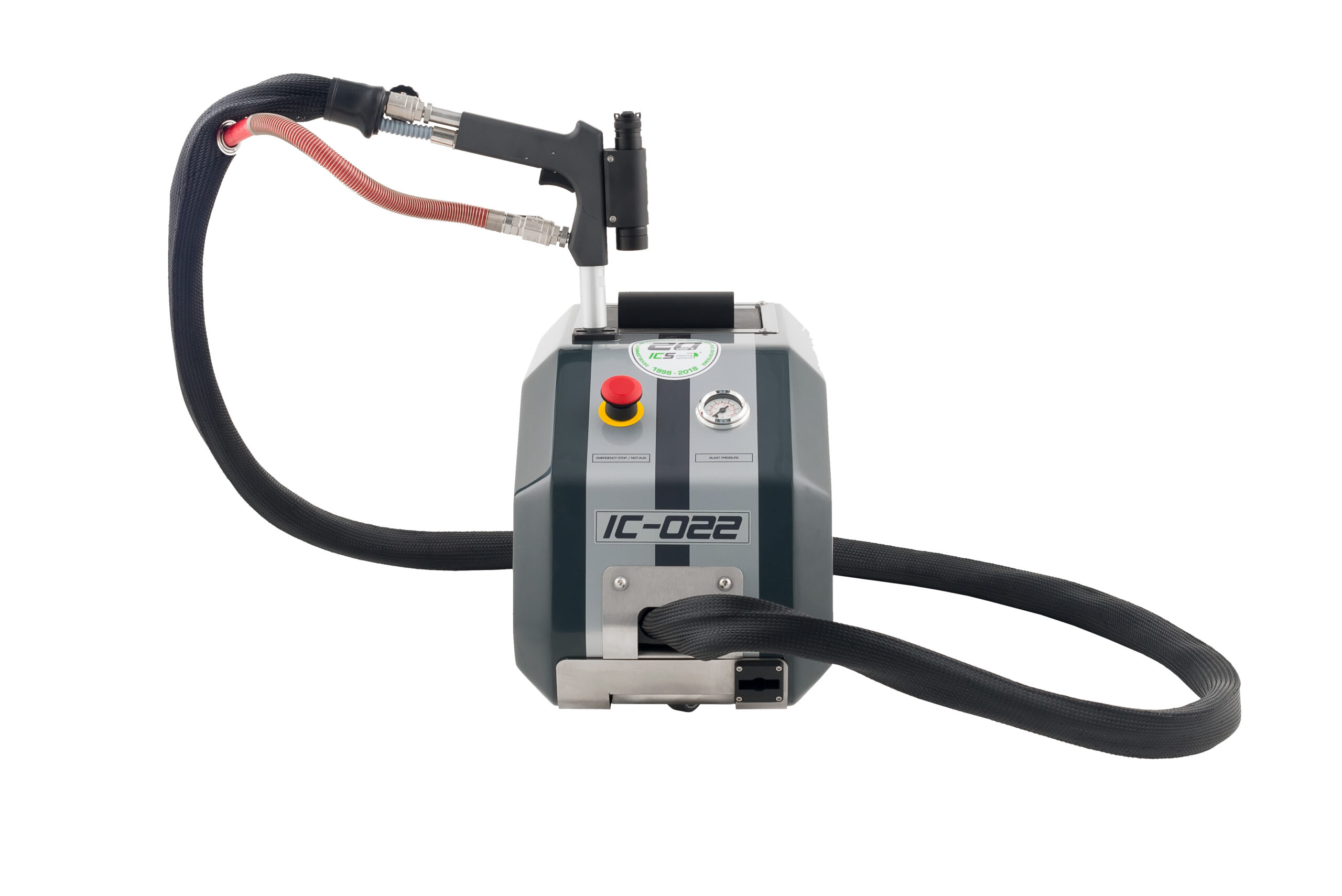 Low air demand
Lightweight and Portable
A compact, easy-to-move system with low compressor requirements.
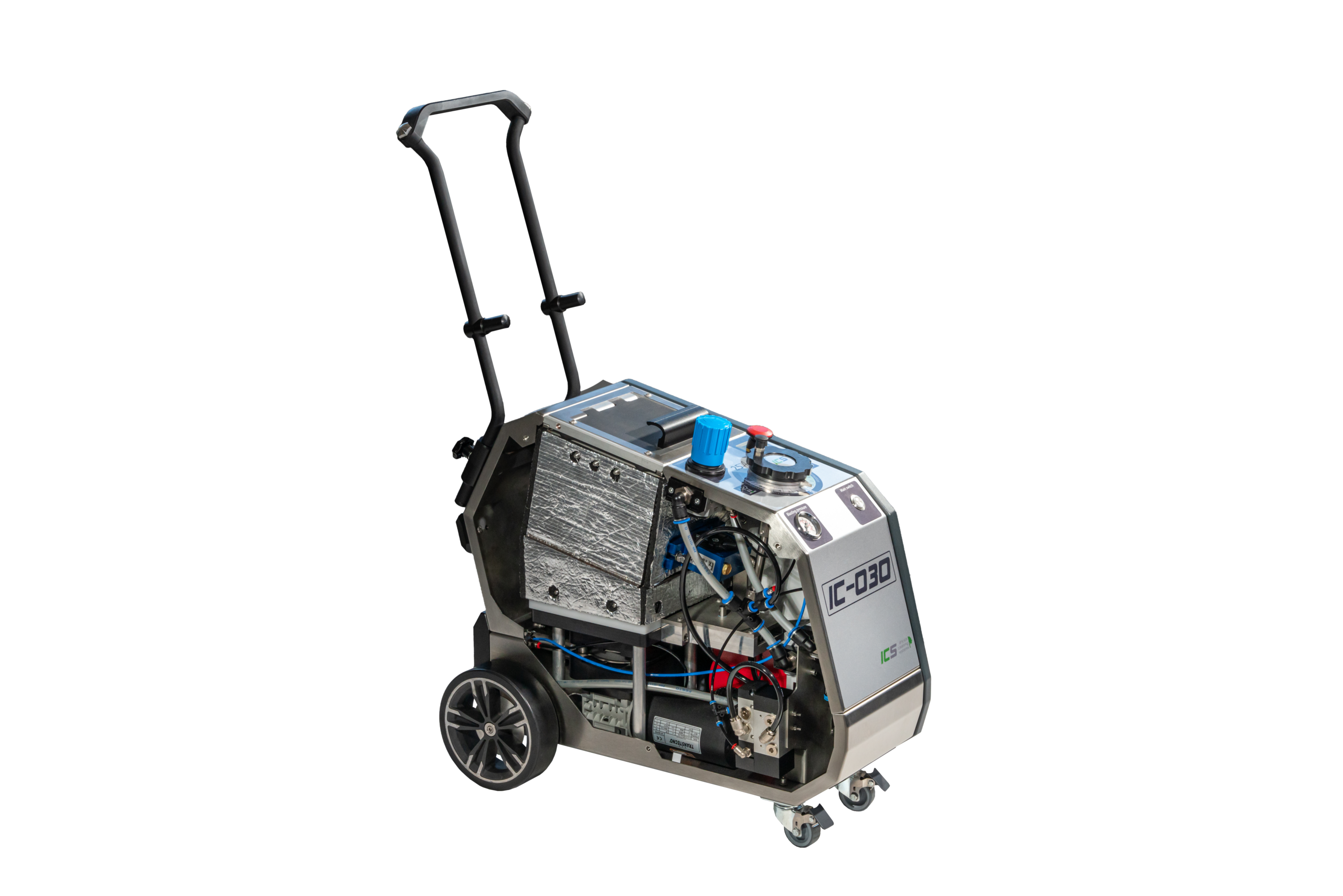 Medium air demand
Versatile Day-to-Day Cleaning
Portable, capable and well suited to regular cleaning with medium compressor requirements.
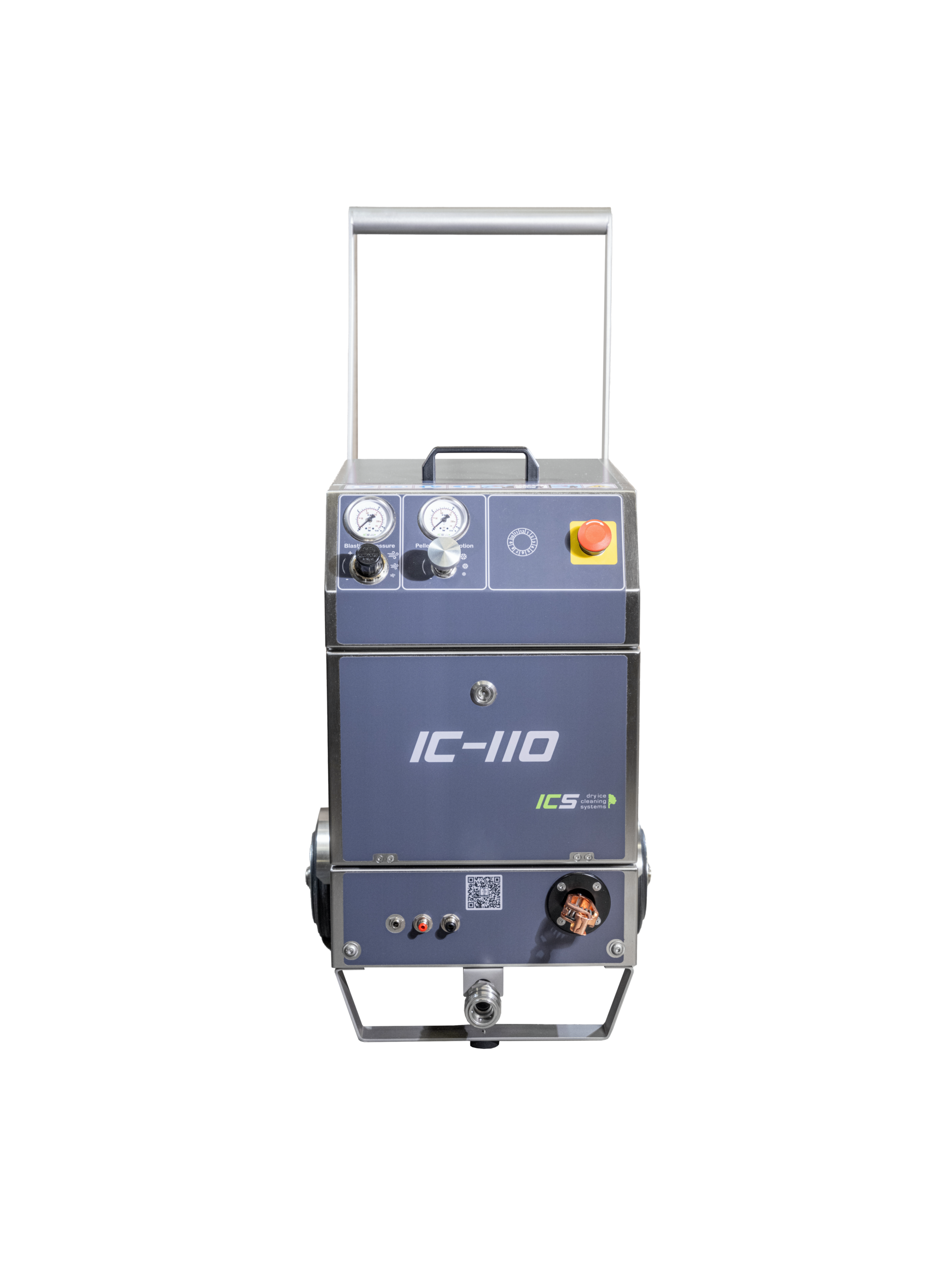 Medium–high air demand
Compact Size. Serious Punch.
Slightly heavier than the IC 030, with a substantial step up in cleaning performance.
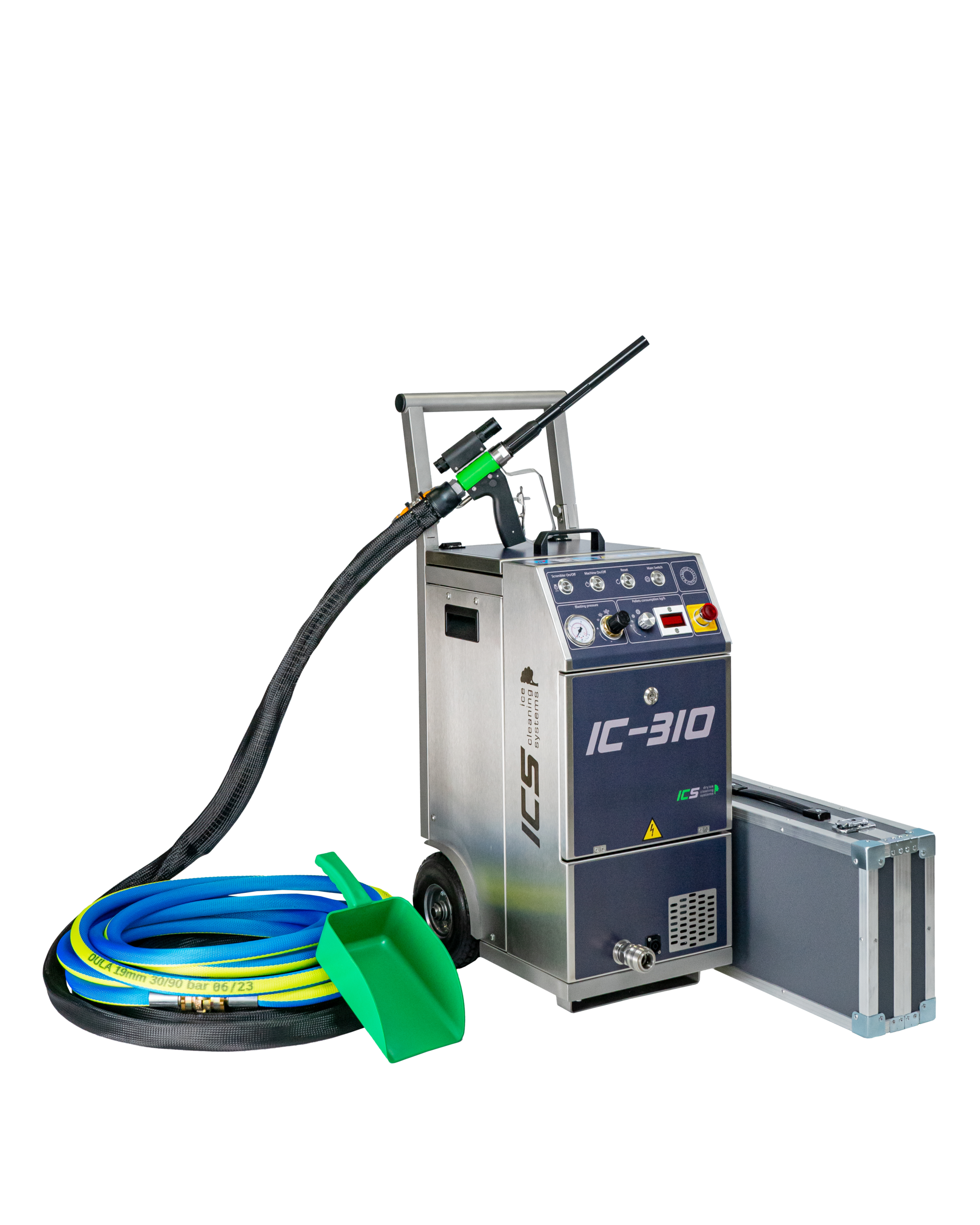 High air demand
Built for Heavy Work
High-output performance for demanding jobs in a portable, user-friendly format.
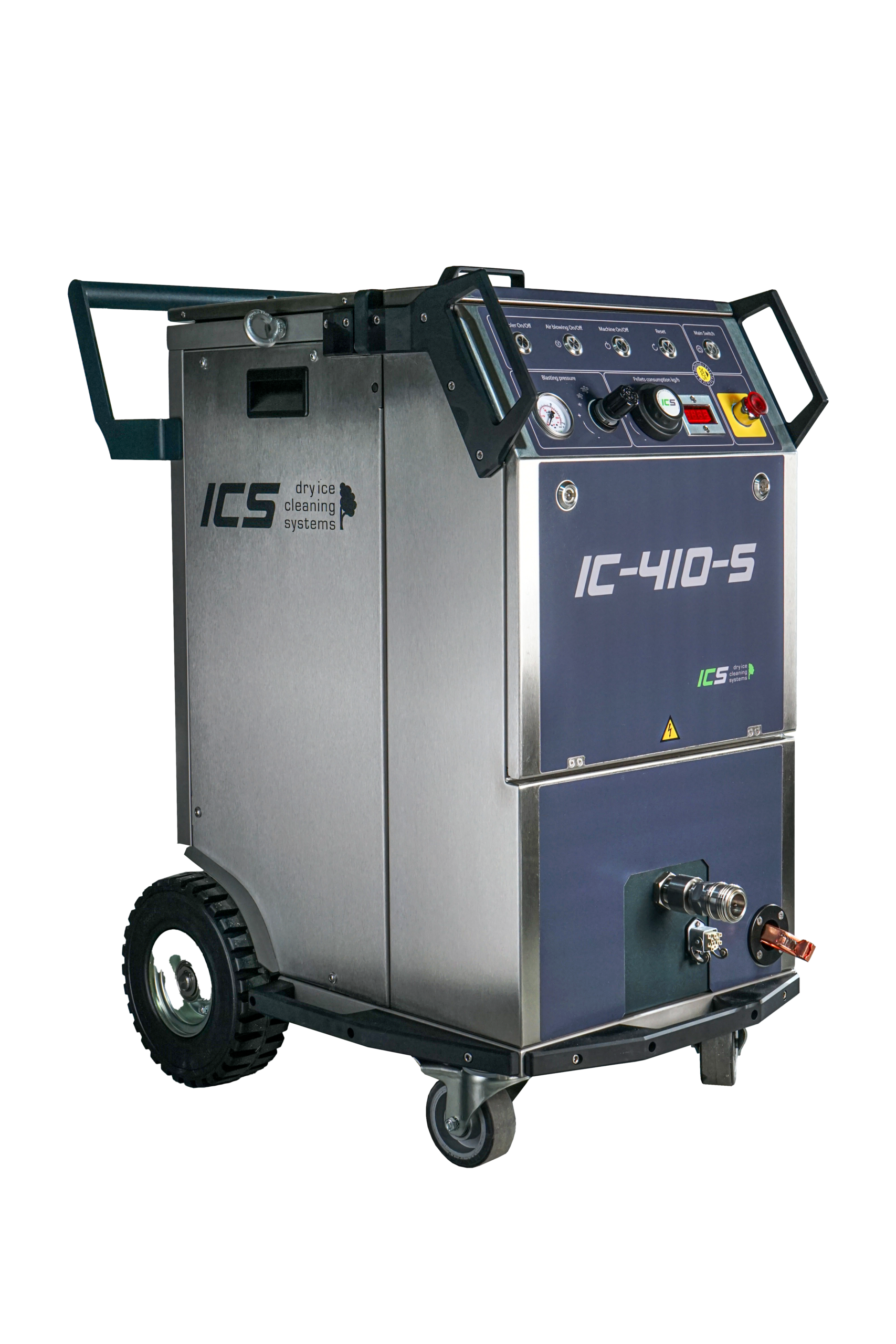 Configurable air demand
Maximum Versatility
The widest operating range in the line-up—from fine, controlled cleaning through to powerful heavy-duty work.
Tell us what you clean, how often you clean it and what compressor capacity you have available.

Built for demanding professional applications
Why Professionals Choose Dry Ice Blasting
Operators adopt Dry Ice Blasting when traditional cleaning methods start creating more problems than they solve.
Protect Sensitive Surfaces
Non-abrasive cleaning helps protect components and the underlying material.
Faster Turnaround
Reduce time spent on labour-intensive manual and wet cleaning methods.
Reduced Downtime
Clean many components in situ and reduce unnecessary dismantling.
Minimal Secondary Waste
The dry ice disappears on contact, leaving no spent blasting media behind.
No Water or Harsh Chemicals
A dry process that avoids water saturation and harsh cleaning chemicals.
Common Dry Ice Blasting Applications
Explore how Dry Ice Blasting is used across demanding professional environments.
Automotive
Restoration, component cleaning and contamination removal.
Machinery & Production
Clean equipment, tooling and production components.
Food & Pharmaceutical
Controlled cleaning for demanding production environments.
Restoration & Sensitive Surfaces
Remove contamination while protecting delicate materials.
Maritime
Equipment and component cleaning across marine environments.
What Dry Ice Blasting Replaces
Dry Ice Blasting is often adopted when conventional cleaning methods create too much mess, risk or operational downtime.
 Traditional Chemical Cleaning
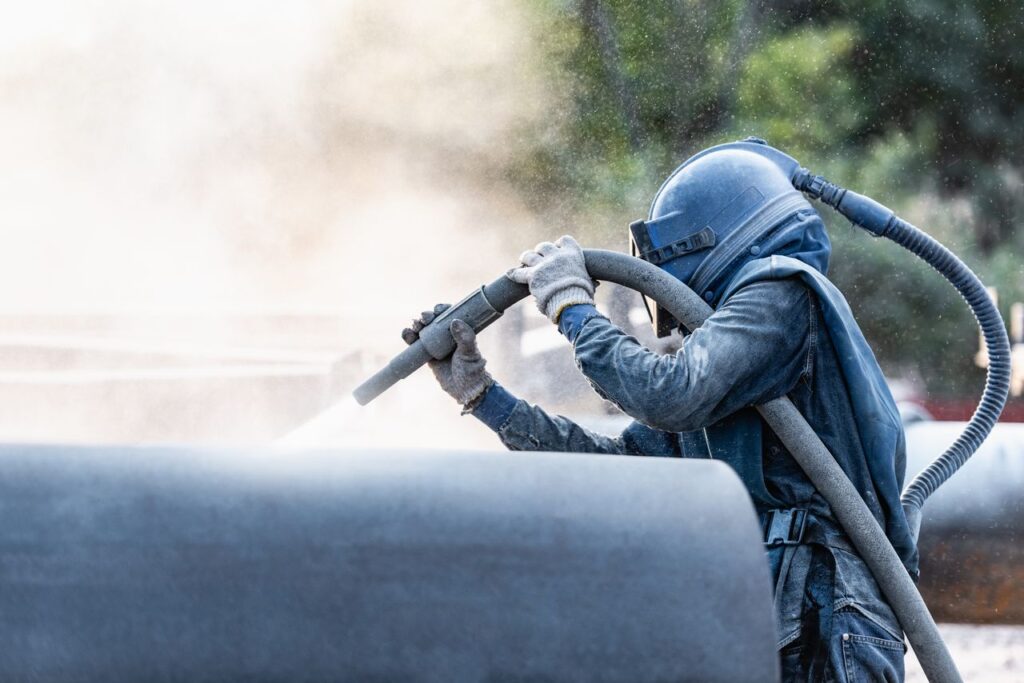 Labour-Intensive Methods
- × Pressure washing
- × Chemical cleaning
- × Manual scraping and brushing
- × Abrasive blasting methods
These approaches can increase surface risk, create additional mess and extend operational downtime.
Clean the Contamination Without Adding Another Cleanup Job
Dry Ice Blasting provides a controlled alternative when the trade-offs associated with traditional methods are no longer acceptable.
Request System PricingHow Dry Ice Blasting Works
Four stages combine to remove contamination without leaving spent blasting media behind.
-
01Acceleration
Pellets Enter the Airflow
Solid dry ice pellets are accelerated towards the surface using compressed air.
-
02Impact
Pellets Contact the Surface
The accelerated pellets strike the contaminated surface with controlled kinetic energy.
-
03Release
Contamination Breaks Away
Thermal shock helps weaken the bond between the contamination and the underlying material.
-
04Sublimation
Dry Ice Turns to Gas
The dry ice sublimates, leaving only the removed contamination to be collected.
The result is effective, controlled cleaning with minimal secondary disruption.
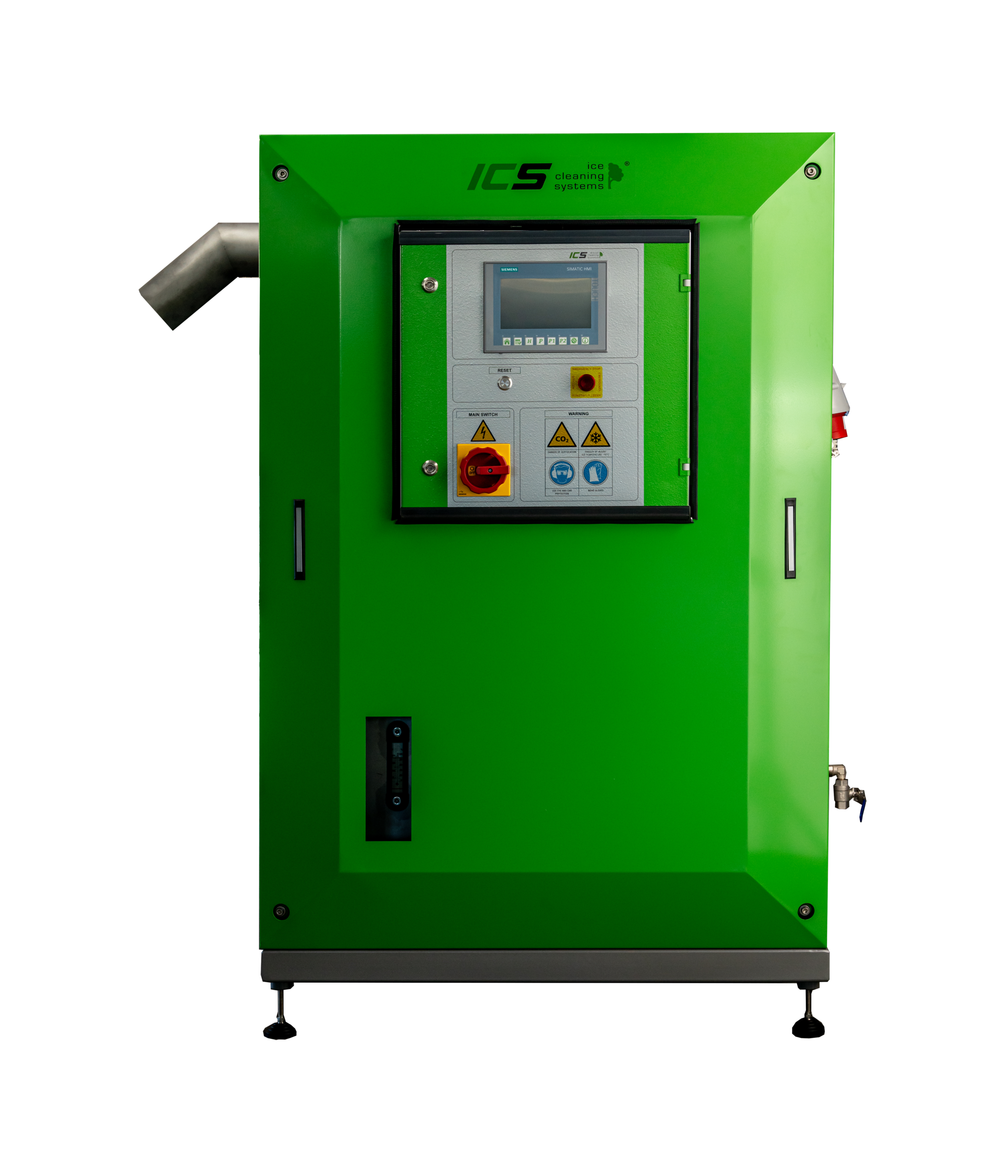
Want to Become a Dry Ice Supplier?
Produce dry ice pellets for your own operation or build a local supply service with professional pelletising equipment from ICS.
- Commercial pelletiser options matched to your required output
- Guidance on equipment selection and production requirements
- ICS support with onboarding, installation and initial setup
- Ongoing technical support through Titus Equipment
Whether you want to reduce reliance on third-party deliveries or establish a new dry ice supply business, we can help you understand the equipment and infrastructure required.
Discuss Pelletiser OptionsIs Dry Ice Blasting Right for Your Application?
Every application is different. Surface type, contamination, access and operational requirements all influence which system and configuration will deliver the best result.
Tell our specialists what you need to clean and we will help determine whether Dry Ice Blasting is the right solution.
Tell Us About Your Cleaning Requirements
We’ll review your application and recommend the most appropriate next step.
Request System Pricing No obligation. Application-specific guidance.