
Automotive Cleaning Without Damage, Mess or Long Downtime
Clean engines, components, tooling and production equipment without water-heavy methods, harsh cleaning chemicals or unnecessary disassembly.
Non-abrasive cleaning
Reduced disassembly
Minimal secondary waste
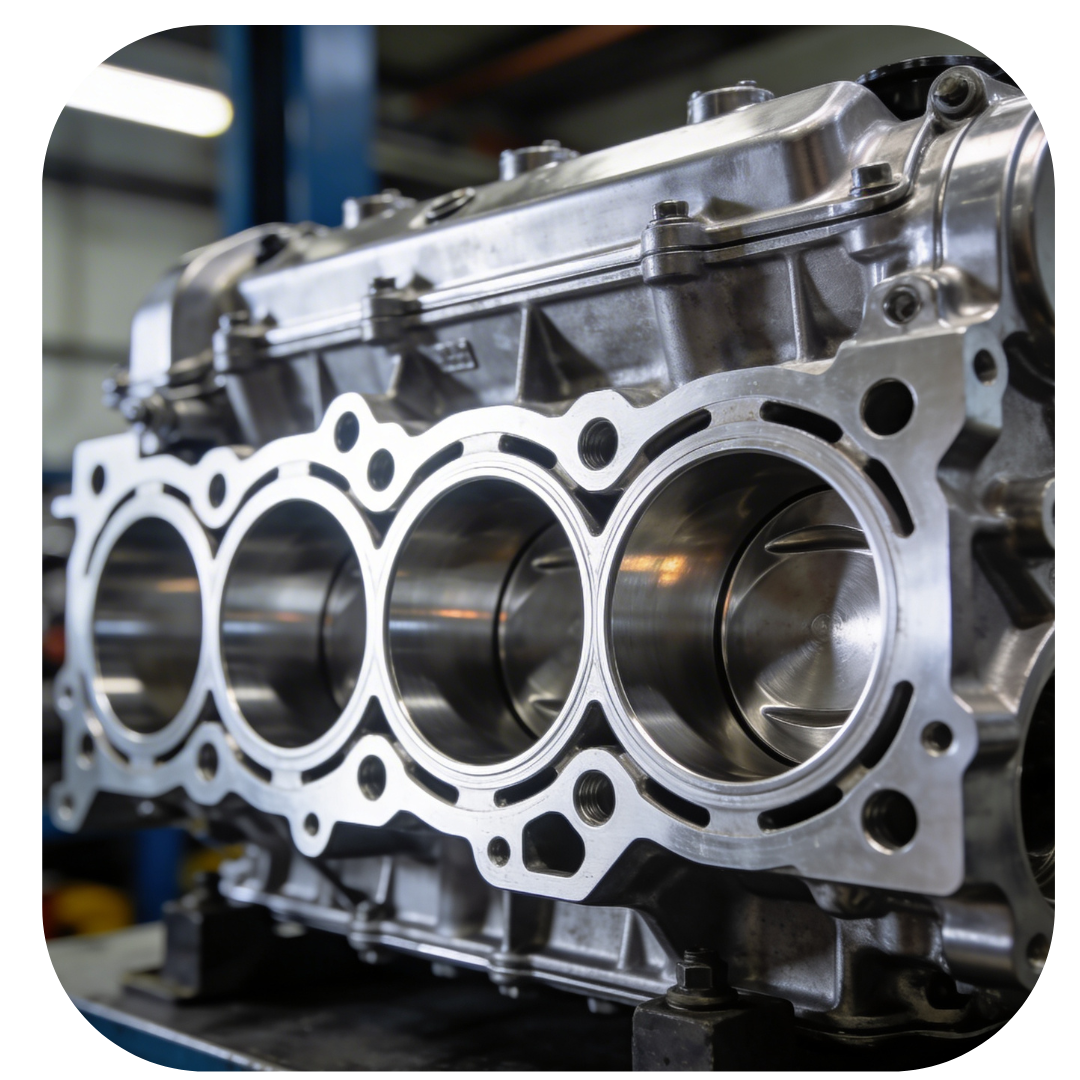
What You’re Dealing With
Oils. Carbon. Residue. Coatings. Paint.
Automotive contamination builds up in complex areas where traditional cleaning quickly becomes a trade-off between time, surface protection and the quality of the result.
Go Aggressive
You risk marking, etching or damaging the component and its underlying surface.
Increased surface riskGo Manual
Hours disappear into scraping, brushing and trying to reach complex areas by hand.
Higher labour costsUse Chemicals
The original cleaning job is followed by chemical handling, rinsing and secondary cleanup.
One job becomes twoStrip Everything Down
Unnecessary disassembly extends the job and keeps vehicles or production equipment out of operation.
Longer downtimeYou don’t need another cleaning workaround. You need a method that removes the build-up without creating a new problem.
Why Dry Ice Blasting Works
Dry Ice Blasting is designed for demanding cleaning applications where precision, surface protection and turnaround time matter.
Reach Complex Areas
Clean detailed components, tight spaces and irregular surfaces that are difficult to access manually.
Protect Sensitive Parts
A controlled, non-abrasive process helps protect the underlying component and surface.
Reduce Disassembly
Many components can be cleaned in place, reducing unnecessary stripping and rebuilding.
Cut Cleaning Time
Complete labour-intensive cleaning work faster and return equipment to use sooner.
No Water or Harsh Chemicals
The process is dry and avoids the need for water-heavy or chemical-heavy cleaning.
Minimal Secondary Waste
Dry ice sublimates on impact, leaving no spent blasting media behind.
Dry Ice Blasting for Automotive Work
Used where contamination needs to be removed without damaging the component, finish or underlying material.
Engines & Engine Bays
Remove oils, grease, carbon and accumulated contamination from detailed engine areas.
Detailed cleaningComponents & Assemblies
Clean complex parts and assemblies while helping protect the underlying surface.
Surface controlledTooling & Moulds
Remove production residue and build-up from tooling, moulds and manufacturing equipment.
Production cleaningClassic Vehicle Restoration
Reveal original surfaces and components without introducing water or aggressive abrasion.
Sensitive restorationProduction Equipment
Clean machinery and production areas with less dismantling and operational interruption.
Reduced downtimeCoatings & Residue
Remove selected residue, adhesives and coatings where the surface and system setup are suitable.
Application assessedSuitability depends on the surface, contamination and required finish. We assess each application before recommending a system.
See Whether It Works for Your Setup
We assess the application before recommending a system or configuration.
-
01
Enquiry
Tell Us What You’re Cleaning
Describe the component, build-up, current method and the result you need.
-
02
Assessment
We Review the Application
We assess the surface, contamination, access and operational requirements.
-
03
Demonstration
See the System in Action
Where appropriate, test the recommended method against a real cleaning task.
-
04
Recommendation
Receive the Right Setup
We recommend the system and configuration suited to your automotive application.
Every recommendation is based on your application—not a generic equipment package.
Questions Before You Enquire?
These are the questions automotive customers most commonly ask when assessing Dry Ice Blasting.
Ask About Your ApplicationWill Dry Ice Blasting damage automotive parts? +
When the correct pressure, nozzle and system configuration are used, Dry Ice Blasting is a controlled, non-abrasive process. We assess the surface and component before recommending the application.
Can it handle heavy oil and carbon build-up? +
Dry Ice Blasting can be highly effective on oils, grease, carbon and production residue. Performance depends on the contamination, surface and selected setup.
Does everything need to be disassembled first? +
Not always. Many components and areas can be cleaned in place, reducing the level of disassembly required compared with manual or wet cleaning methods.
What cleanup is required afterwards? +
Dry ice sublimates on impact, so there is no spent blasting media to collect. Only the contamination removed from the component remains.
Can it remove paint and coatings? +
Selected coatings and residues can be removed depending on their bond, thickness, condition and the underlying surface. The application should be tested before a system is recommended.
Tell Us What You’re Dealing With
Send us the component, contamination and result you need. We’ll explain how Dry Ice Blasting could work in your setup and whether it is the right method for the job.
Find the Right Cleaning Setup
We’ll review your automotive cleaning challenge and recommend the most appropriate next step.
Enquire About Your Application No obligation. Application-led guidance.